
How Much Money Do You Need to Start Investing in 2026?
Realistic Amounts for Beginners
Many people dream of building wealth through investing but get stuck on one big question: “How much money do I actually need to start?”
In 2026, the answer might surprise you: You can legitimately begin investing with as little as $1 to $100, thanks to fractional shares, zero-minimum brokers, micro-investing apps, and robo-advisors. Gone are the days when you needed thousands to dip your toes in the market.
However, the “right” amount isn’t just about the minimum—it’s about what makes sense for your financial situation, goals, risk tolerance, and the type of investing you want to do (passive long-term vs. active trading).
In this comprehensive 2026 beginner’s guide, we’ll cover:
- Realistic minimums by investment type
- Why starting small often beats waiting for “more money”
- Compound interest math with real examples
- Common myths and 2026 trends
- Step-by-step action plan
- Warnings and disclaimers
Remember: Investing involves risk of loss. This is not personalized financial advice—always do your own research.
1. Prerequisites: Don't Invest Until These Are in Place (Even if You Have $1)
Before putting a single dollar into the market, sort your basics:
- Emergency fund first: Aim for 3–6 months of living expenses in a high-yield savings account (rates ~4–5% in 2026). Investing volatile money you might need soon is a recipe for panic-selling.
- High-interest debt payoff: Credit cards at 15–25% interest eat returns faster than the market grows (historical S&P 500 average ~7–10% after inflation).
- Clear goals: Retirement in 30 years? House down payment in 5? Short-term trading profits? This dictates risk level and vehicle.
- Mindset check: Only invest disposable money. In trading (forex/CFDs), risk max 1–2% of capital per trade (link to your risk management section).
Skipping these = #1 reason beginners lose money in 2026.
2. How Much Do You Really Need? Breakdown by Investment Type (2026 Realities)
| Investment Type | Realistic Starting Amount (2026) | Account Minimum | Best Platforms (Low/No Min) | Pros for Beginners | Cons / Risks |
|---|---|---|---|---|---|
| Micro-Investing / Round-Ups | $1–$20 | $0–$5 | Acorns, Stash, Robinhood | Automatic from spare change; super easy | Small amounts grow slowly; app fees ~$3–9/mo |
| Fractional Shares / Individual Stocks | $1–$100 | $0 | Fidelity, Charles Schwab, Robinhood, eToro | Buy part of expensive stocks (e.g. $10 in Nvidia) | Volatility high if not diversified |
| ETFs / Index Funds (Passive Long-Term) | $1–$500 | $0 | Vanguard, Fidelity ZERO, Schwab, iShares | Diversified, low fees (0–0.03%), compound magic | Market dips hurt short-term |
| Robo-Advisors (Hands-Off) | $0–$500 | $0–$5,000 | Betterment, Wealthfront, Fidelity Go, Schwab Intelligent | Auto-builds portfolio, rebalances | Fees 0.25%, some min $5k for premium |
| Active Stock Trading | $0–$1,000 | $0 | E*TRADE, Interactive Brokers, SoFi | Control your picks | High emotional risk; most lose short-term |
| Forex / CFD Trading | $5–$200 | $0–$100 | XM, eToro, XTB | Leverage (but dangerous) | Extremely high risk – can lose all fast |
| Crypto (Spot) | $1–$100 | $0 | Coinbase, Binance (if available), eToro | High growth potential | Extreme volatility |
Notes 2026:
- Fractional shares are everywhere—no more waiting to buy full shares of Apple ($200+) or Tesla.
- Many brokers offer $0 commissions + $0 minimums (Fidelity, Schwab, Robinhood lead).
- For your Broker Comparison: Prioritize regulated ones (FCA, CySEC, SEC) with demo accounts and education.
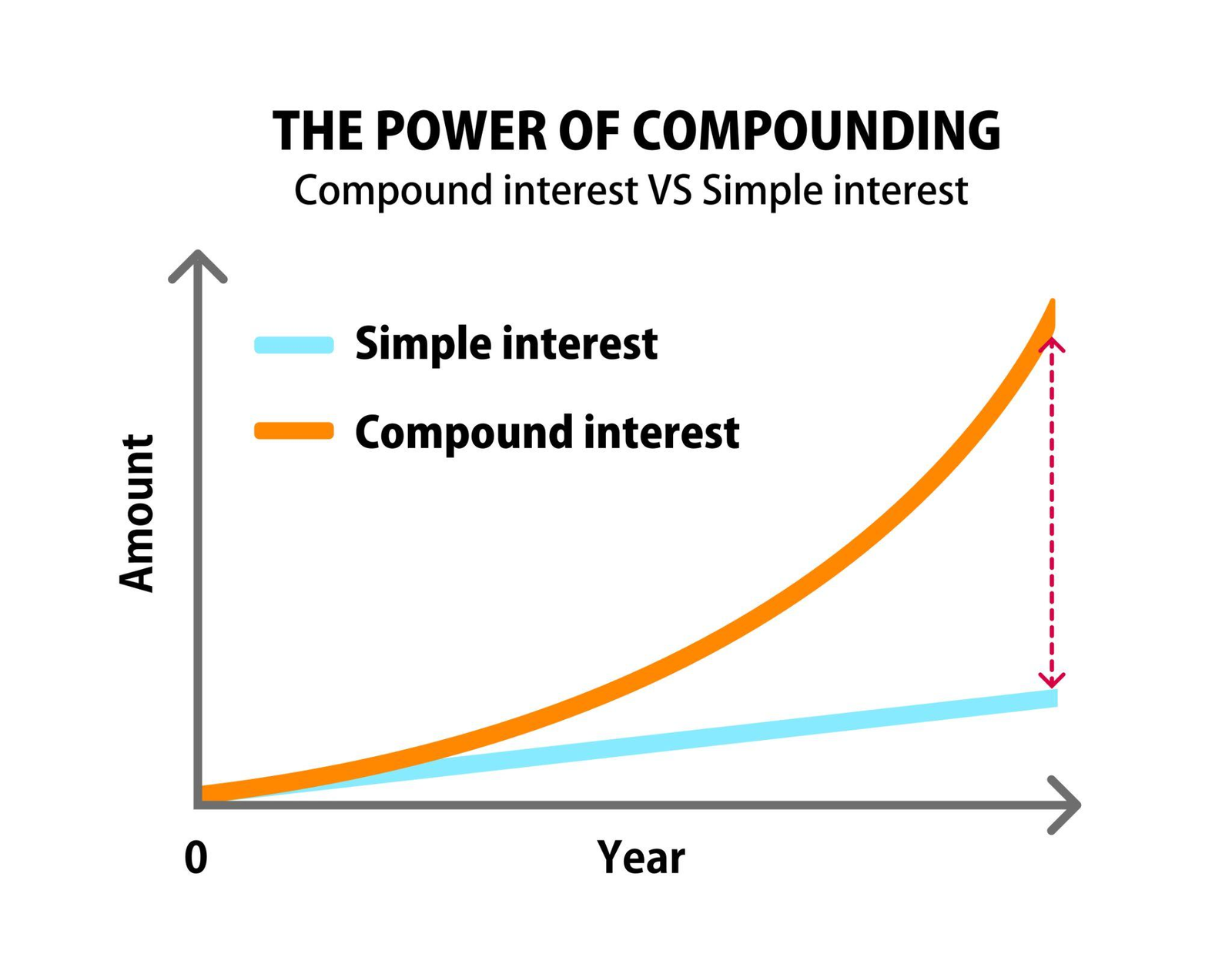
3. The Power of Starting Small: Compound Interest in Action (Math Examples)
The real magic isn’t the starting amount—it’s time + consistency.
Example 1: Tiny but consistent Invest $50/month starting at age 25, 8% average annual return (realistic for diversified ETFs):
- After 10 years: ~$8,700
- After 20 years: ~$30,000
- After 40 years (retirement): ~$200,000+ (mostly from compounding!)
Example 2: Larger but later Wait until age 35, invest $200/month at same return:
- By age 65: Only ~$300,000 (half of the early starter!)
Calculator tip: Use free tools like NerdWallet’s or Investor.gov to plug in your numbers. Starting small early crushes waiting for “perfect” amount.
4. 2026 Trends Making Low-Amount Investing Easier
Zero-fee index funds: Fidelity ZERO, Schwab, E*TRADE no-expense-ratio funds.
AI-powered tools: Many apps now offer simple AI insights for beginners.
Fractional everything: Even bonds/REITs in some platforms.
Global access: Brokers like eToro allow easy entry for international users (great for your Spanish version).
Regulatory push: More protections against high-leverage scams in EU/US.
5. Busting Myths in 2026
Myth: “You need $10,000+ to make it worth it” → False. $100/month beats $0 forever. Habit > amount.
Myth: “Small investments don’t grow” → Compounding turns pennies into thousands over decades.
Myth: “Trading requires big capital for profits” → Leverage exists, but most beginners blow accounts—stick to 1:2 risk/reward (link to your psychology section).
Warning: Avoid hype like “double your money fast” schemes—2026 has more scams with AI/crypto promises.
6. Step-by-Step: How to Start Investing Today (Even with $50–$200)
Assess finances: Emergency fund? Debt? Goal?
Choose type: Passive ETFs for most beginners.
Open account: Compare beginner brokers here → [Link to your Broker Comparison page – big button]. Recommendations: Fidelity/Schwab for $0 min, eToro for copy trading/demo.
Fund it: Start with $50–$200. Set auto-deposits.
Invest simply: Buy broad ETF like VOO (S&P 500) or VXUS (global).
Monitor smart: Check quarterly, not daily. Use stop-loss if trading.
Learn continuously: Read your guide sections on risk, psychology, markets.
Conclusion
You don’t need a fortune to start investing in 2026—just discipline, the right platform, and realistic expectations. Whether $10 in fractional shares or $500 in a robo-advisor, the key is starting now and staying consistent. Time in the market beats timing the market.
Full Disclaimer
This is educational content only not financial, investment, or tax advice. Investing involves significant risk of loss of principal. Past performance does not guarantee future results. Links may be affiliates we may earn a commission at no extra cost to you. Consult a licensed professional for personalized advice. Regulations vary by country (e.g., CFDs restricted in some regions).