
Best Investment Markets and Opportunities for 2026: A Practical Guide for Investors
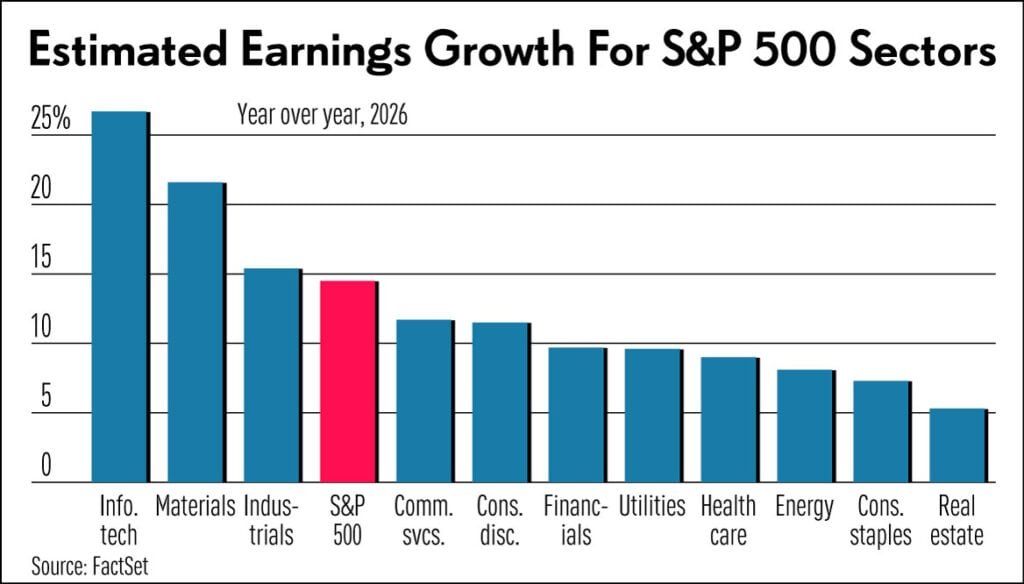
As we move through 2026, global markets are shaped by resilient growth, AI productivity gains, easing monetary policy in many regions, and shifting geopolitical dynamics. Major institutions like Morgan Stanley, BlackRock, Goldman Sachs, and J.P. Morgan forecast sturdy global GDP around 2.8%, with U.S. equities likely leading but diversification into international and emerging markets gaining traction.
This guide breaks down the best investment markets and sectors for 2026 — focusing on practical strategies, risk considerations, and actionable ways to position your portfolio. Whether you’re a beginner or experienced investor, prioritize diversification, long-term horizons, and professional advice before acting.
1. Why 2026 Looks Promising for Investors (Macro Outlook)
Global growth is expected to remain solid at ~2.8% (Goldman Sachs), outperforming consensus.
U.S. equities benefit from AI buildout, tax policies, and Fed easing — but valuations are elevated.
Emerging markets (EM) rally on weaker USD, better fundamentals, and supply-chain shifts.
Key themes: AI diffusion, energy transition (power for data centers), multipolar world (defense/geopolitics), and selective risk-taking.
Investors favor quality over speculation: focus on durable growth, income, and hedges against volatility.
2. Top Sectors to Invest in 2026
Experts highlight these high-potential sectors based on structural trends.
AI & Technology Diffusion (Top Theme)
AI infrastructure and adoption remain dominant, driving productivity and capex.
- Why invest? Massive data center/power demand; enterprise rollout accelerates.
- Practical opportunities: Large-cap tech (e.g., via S&P 500 index funds), semiconductors, cloud computing.
- Risks: Concentration in “Magnificent 7”; potential bubble concerns.
- 2026 outlook: Communication Services and Tech sectors outperform (Fidelity, Schwab).
Energy & Power Solutions (Critical for AI)
Data centers could double U.S. power demand — favoring alternatives like natural gas, nuclear (SMRs), and renewables.
- Why invest? Grid strain creates opportunities in utilities, nuclear revival, renewables.
- Practical opportunities: Energy infrastructure ETFs, nuclear-related stocks, renewable leaders.
- Risks: Regulatory shifts, commodity volatility.
Defense, Aerospace & Multipolar World
Geopolitical tensions boost spending on security and industrial reshoring.
- Why invest? Europe re-armament, global upgrades.
- Practical opportunities: Defense contractors, aerospace.
Healthcare & Biotech
Aging populations + innovations (e.g., GLP-1 drugs knock-on effects).
- Practical opportunities: Biotech M&A plays, life sciences.
Renewable Energy & Infrastructure
Ongoing transition + near-shoring.
Practical opportunities: EV supply chain, green infrastructure.
Other notables: Small/mid-caps (broadening rally), consumer staples (defensive).
3. Best Asset Classes for 2026
Diversify across these for balanced exposure.
- Equities — Strongest potential (10-25% upside per J.P. Morgan); U.S. leads, but international/EM add value.
- Fixed Income — Quality credit, EM debt for income/diversification.
- Alternatives — Private markets, hedge funds for low-correlation.
- Commodities/Real Assets — Power/metals benefit from AI/energy demand.
Avoid over-reliance on cash (opportunity cost in growth environment).
4. Best Geographic Markets & Emerging Opportunities for 2026
While U.S. stocks shine, non-U.S. diversification pays off.
United States
- Dominant for AI/tech growth.
- Practical tip: Broad ETFs (S&P 500) for core exposure.
Emerging Markets (Strong Momentum)
EM equities outperformed in 2025 and could continue with weaker USD.
- Top picks: India (domestic demand/reforms), Southeast Asia (near-shoring), Brazil (macro stability), Mexico (supply-chain).
- Practical tip: Broad EM ETFs (e.g., Vanguard FTSE Emerging Markets or iShares Core MSCI EM).
- Risks: Geopolitics, currency swings.
Developed International
Europe (defense/infrastructure), Japan (restructuring).
- Practical tip: Add for value/dividends.
5. Practical Investment Strategies for 2026
- Core-Satellite Approach: 60-70% in broad index funds (U.S./global equities); 30-40% in thematic/sector plays (AI/energy).
- Diversification Rules:
- 50-70% Equities (tilt U.S. but add 20-30% international/EM).
- 20-30% Fixed Income (quality + EM debt).
- 10-20% Alternatives/Real Assets.
- Risk Management:
- Dollar-cost average into positions.
- Rebalance quarterly.
- Hedge volatility with quality bonds or options.
- Beginner-Friendly Starts:
- Low-cost ETFs/index funds.
- Robo-advisors for automated allocation.
- Tax Considerations: Use tax-advantaged accounts; watch capital gains.
6. Risks to Watch in 2026
- Sticky inflation or Fed policy surprises.
- AI hype vs. reality (earnings delivery).
- Geopolitical events/tariffs.
- Valuation stretches in U.S. tech.
No investment is guaranteed — past performance isn’t indicative of future results. Consult a financial advisor.
Most Concrete Markets and Sectors with Highest Percentage Upside Potential in 2026
While broad forecasts point to solid but moderate gains for global equities (around 9-12% for the S&P 500 according to consensus from Goldman Sachs, average targets around 7,550-7,600 implying ~9-11% upside), certain sectors, themes, and geographic markets stand out with stronger projected percentage upside based on analyst price targets, earnings growth expectations, and structural tailwinds like AI infrastructure, energy demand, and emerging market rerating.
These are not guarantees — markets can surprise — but they represent the areas where Wall Street sees the most concrete catalysts for outperformance in 2026. Focus on diversified exposure via ETFs or quality stocks, and always consider your risk tolerance.
U.S. Equities Overall (Benchmark: S&P 500)
Consensus from major firms (as of early February 2026):
- Median year-end target: ~7,600 (from current levels around ~6,850-6,900 → ~10-12% upside including dividends for total return).
- Goldman Sachs: 12% total return forecast.
- Morgan Stanley: 14% gain (target 7,800).
- Higher bulls (Oppenheimer, Deutsche Bank): 15-18% upside (targets 8,000-8,100).
- Drivers: AI earnings supercycle (13-15% EPS growth per J.P. Morgan), Fed easing, and broadening rally beyond mega-caps.
Practical tip: Core holding in broad S&P 500 ETFs for baseline exposure.
High-Upside Sectors with Specific Percentage Projections
Analysts highlight these as having the strongest implied upside from current valuations and earnings momentum:
- Semiconductors & AI Infrastructure (Highest Consensus Upside)
- Nvidia (NVDA): Analysts see ~47% implied upside (CFRA target ~$270 from recent levels).
- Broadcom (AVGO): ~30-47% upside (targets around $428, driven by AI networking and ASIC demand).
- Overall sector: Expected 26-28% earnings growth in 2026; many names trade at reasonable PEG ratios given growth.
- Why? AI capex boom continues; data center power/memory demand surges.
- Practical opportunities: Semiconductor ETFs (e.g., SMH) or leaders like NVDA, AVGO, TSM (Taiwan Semi ~24-30% undervalued per some fair value estimates).
- Healthcare & Biotech (Strong Rebound Potential)
- Eli Lilly (LLY): ~18-20% revenue growth expected; implied upside from targets.
- Broader sector: Aging demographics + GLP-1 drug knock-on effects; some names show 20-30% upside.
- Practical tip: Healthcare ETFs for diversified play on innovations and defensive growth.
- Energy & Power Utilities (AI-Driven Demand Tailwind)
- Sector rotation favors energy/utilities for AI power needs (data centers could double demand).
- Analysts bullish: High buy ratings (~65% for Energy per FactSet); potential 15-25%+ upside in infrastructure plays.
- Practical opportunities: Nuclear revival (SMRs), natural gas, renewables tied to grid upgrades; energy ETFs.
- Communication Services & Tech Diffusion
- Remains top-rated (Outperform per Schwab); AI adoption drives continued leadership.
- Implied upside: 15-25% in key names as enterprise AI rolls out.
Other notables with rotation potential (10-20%+ upside if broadening occurs):
- Financials: Lower rates unlock lending/M&A.
- Industrials: Infrastructure and defense spending.
Geographic Markets with Strongest Upside Forecasts
- Emerging Markets Equities: 10-25% upside range (J.P. Morgan); stronger earnings growth (~14%) vs. developed markets; attractive valuations.
- Top concrete picks: India, Southeast Asia (near-shoring), select LatAm (e.g., Brazil/Mexico on macro stability).
- Practical: Broad EM ETFs (VWO or IEMG) for 15-20%+ potential in a weaker USD scenario.
- Developed International (Europe/Japan): More modest 4-7% but value/dividends add appeal.
Summary Table: Concrete Upside Estimates for 2026 (Approximate, Consensus-Based)
Market/Sector Expected Upside/Total Return Key Drivers Risk Level S&P 500 (Broad U.S.) 9-14% (median ~11-12%) AI EPS growth, Fed policy Medium Semiconductors/AI Chips 30-50% (select names) Data center capex boom High Healthcare/Biotech 15-30% GLP-1, aging population Medium Energy/Power Infrastructure 15-25% AI electricity demand Medium-High Emerging Markets Equities 10-25% Valuations, USD weakness, growth High Communication Services 15-20% AI adoption continuation Medium These percentages are derived from analyst targets, earnings forecasts, and institutional outlooks — they reflect potential from current levels but assume no major shocks.